





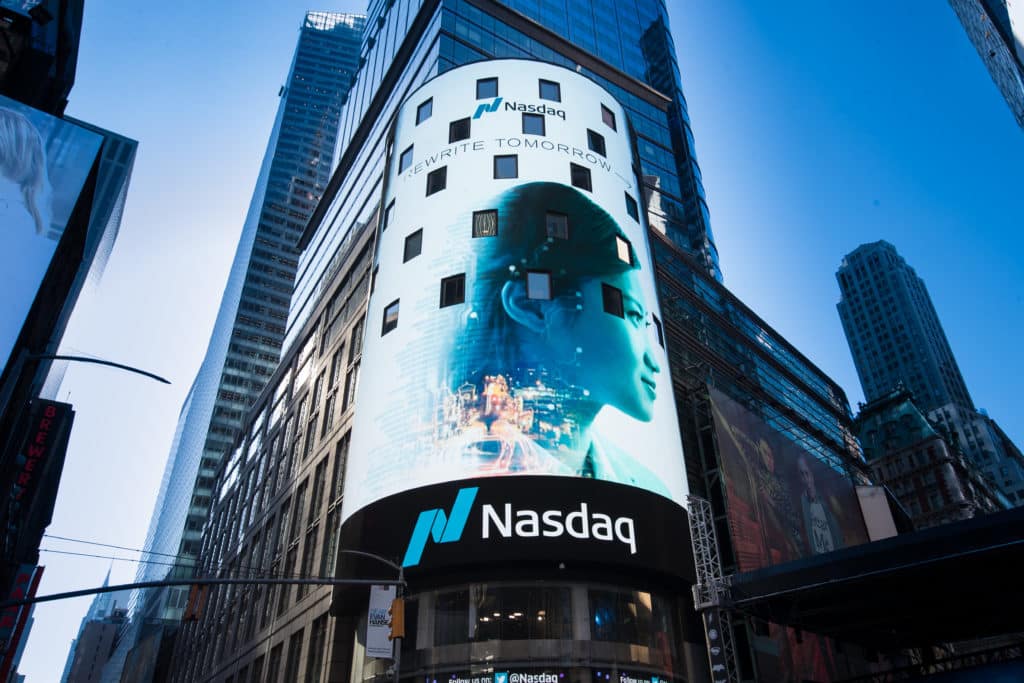
Nasdaq announced that it has implemented a change to the accounting treatment of the revenues associated with AxiomSL on-premises subscription contracts. This change was previously referenced during Nasdaq’s second quarter earnings and is related to the finalization of the U.S. GAAP purchase accounting in connection with the Adenza acquisition.
The accounting change reflects the frequent and ongoing mandatory updates to AxiomSL’s regulatory reporting software, which are critical to the utility and value of the product for its clients. Going forward, Nasdaq will recognize 100% of AxiomSL on-premises subscription revenue ratably over the contract term, whereas Adenza previously recognized approximately 50% of AxiomSL’s total contract revenue upfront and the remainder over the contract term.
Beginning in the third quarter of 2024, Nasdaq’s financial and operational results will reflect the new accounting treatment. In its third quarter 2024 results, Nasdaq will record a net $32 million one-time, non-cash GAAP revenue reduction for the period November 1, 2023 through June 30, 2024, reflecting the net impact of the accounting change on AxiomSL subscription revenue since the close of the acquisition. This $32 million net reduction consists of a decrease of $34 million related to the November and December 2023 periods, which will be excluded from our non-GAAP third quarter 2024 results, partially offset by a net increase of $2 million related to the January through June 2024 period.
This change enhances Nasdaq’s financial reporting, as AxiomSL’s revenues will more closely align with the annualized recurring revenue (ARR) and cash economics of its on-premises subscription contracts. There are no changes to professional services revenues or to AxiomSL’s cloud-delivered license revenues, which are already recognized as ratable over the life of the contract. This change also does not impact AxiomSL’s historical ARR or cash flows.
2024 Expectations and Medium-Term Growth Outlook
Nasdaq reaffirms its medium-term growth outlook for all divisions, sub-divisions, and AxiomSL and Calypso combined. Nasdaq also reaffirms all 2024 expectations shared in its second quarter 2024 earnings call and expects the Regulatory Technology sub-division to grow within its medium-term revenue growth outlook range for full-year 2024. Nasdaq will provide additional details in the accompanying presentation and publicly announced conference call on this topic.
Source: Nasdaq

NEWSLETTER SIGN UP
And receive exclusive articles on securities markets

🏆 The 2026 Global Markets Choice Awards are here! 🌍 Nominations are officially OPEN for the celebration of excellence in global capital markets trading & technology. Nominate below:
https://www.jotform.com/form/260086385121150

Delaware Life Insurance Company is becoming the first insurance carrier to offer an index that contains cryptocurrency, adding the BlackRock U.S. Equity Bitcoin Balanced Risk 12% Index to its fixed index annuity (FIA) portfolio.
As the digital assets industry pushes toward
Franklin Templeton is expanding its tokenized fund suite, signaling growing institutional demand for blockchain-based fund infrastructure and regulated investment products moving onchain. Read the full article below:
$50 billion in active ETF inflows helped fuel a record year for @BlackRock 's iShares business, as investors continue to lean into active strategies.
Related articles
-

The registration expands CCUS's clearing capabilities to securities products.
-

Clients can manage multi-currency interest rate risk on ICE with greater capital efficiency.
-

New designation helps investors identify listed companies leading the low-carbon transition.
-

The acquisition of Octus will transform LSEG’s presence in credit and private market data.
-

More assets from institutional and private investors in Europe are flowing into capital markets.