




10.02.2024

Fragmentation and complexity of post-trade infrastructure in the European Union is the biggest challenge to the region shortening its settlement cycle.
Nearly two-thirds, 64%, of participants at AFME’s Operations, Post-Trade, Technology & Innovation Conference (Optic 2024) in London on 2 October said fragmentation of post-trade infrastructure in the European Union is the biggest challenge to the region cutting settlement from two days after a trade, T+2, to T+1. For example, there are nearly 30 central securities depositories in the European Union, each with their standards, data and cut-off times. In a poll at the conference, fragmentation was far ahead of the need to improve standards at 21%.
In May this year the US and Canada were amongst the countries that migrated to T+1. The UK’s Accelerated Settlement Taskforce issued its Technical Group Draft Recommendations Report & Consultation in September this year and has recommended that the country move to T+1 by the end of 2027. The European Union is consulting on cutting its settlement cycle but has yet to issue a report or set a date.

Matt Johnson, DTCC
Matt Johnson, director, ITP Product Management and Industry Relations at DTCC, said on a panel at the AFME conference that the US clearer had carried out an exercise with a bank, a European financial market structure and other market participants to trace the path of data in a transaction from execution to finality.
“The manual touch points were far higher than we imagined and that is where data can disappear or become inaccurate,” said Johnson. “Improving efficiency will need automation.”
On the panel, Gary O’Brien, head of bank and broker segment strategy, at BNP Paribas highlighted that operations currently act on exceptions in the settlement process, but in order for T+1 to be successful, the number of exceptions need to be reduced.
O’Brien said: “T+1 in Europe will not be solved in the same way as in the US.”
Stream A: US T+1 – what have we learnt? @DeutscheBankAG @swiftcommunity FIS Capital Markets @GoldmanSachs @BNPParibas #OPTIC2024 pic.twitter.com/PpCmeVcD4N
— AFME (@AFME_EU) October 2, 2024
There was some criticism at the conference that firms had hired extra staff ahead of the US move to T+1, rather than increasing automation. Mack Gill, head of securities processing at technology vendor FIS Capital Markets, said on a panel at the AFME conference that sell-side firms have 14% more staff working out of hours shifts, and buy-side firms have 20%.
Charifa El Otmani, Swift
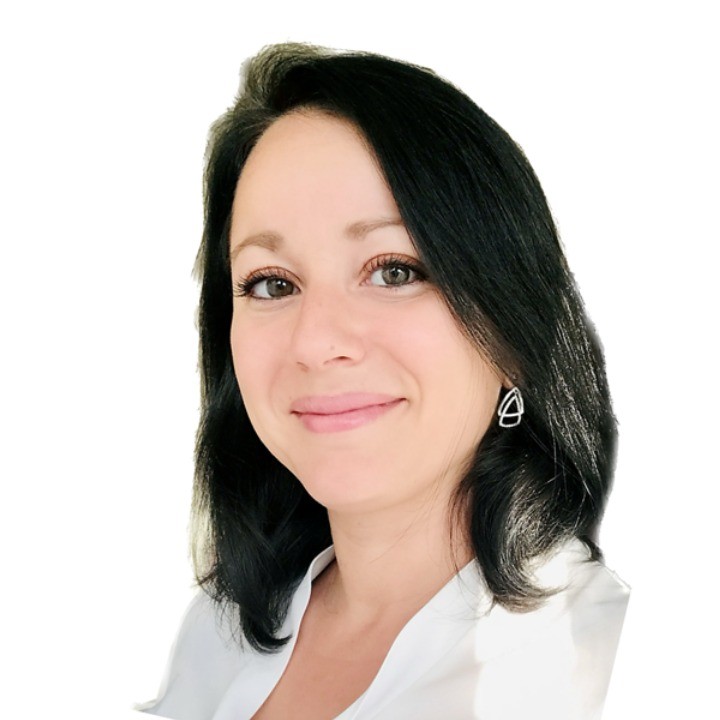
Charifa El Otmani, director, capital markets strategy at SWIFT, said on a panel that the US move to T+1 resulted in messages related to cross-border T+1 settlements on the network increasing from 11% to 40%. If the UK, EU and other regions also move to T+1, she predicted that this would rise to 70% in five years.
In addition, last December approximately 70% of settlement instructions on SWIFT were sent between 9ET and 17.00ET in New York. El Otmani said this had risen to 85% in August this year.

NEWSLETTER SIGN UP
And receive exclusive articles on securities markets

It's been a month since we had our Women In Finance Awards in New York City at the Plaza! Take a look back tab some moments, and nominate for our upcoming awards in Mexico City and Singapore here: https://www.marketsmedia.com/category/events/
4
Citadel Securities told the SEC that trading tokenized equities should remain under existing market rules, a position that drew responses from various crypto industry groups. @ShannyBasar for @MarketsMedia:
SEC Commissioner Mark Uyeda argued that private assets belong in retirement plans, saying diversified alts can improve risk-adjusted returns and that the answer to optimal exposure “is not zero.” @ShannyBasar reporting for @MarketsMedia:
COO of the Year Award winner! 🏆
Discover how Jennifer Kaiser of Marex earned the 2025 Women in Finance COO of the Year recognition.
Shanny Basar
Senior writer
A Senior Writer at Markets Media who became a financial journalist in 2000 after working in banking for over a decade....
More about this authorRelated articles
-

This allows stablecoins to become a core part of global finance.
-

This paves the way to tokenize DTC-custodied assets.
-

This includes modernizing e-delivery rules and expanding pathways to qualify as accredited investors.
-

It has become the first company to offer collateral wallet services in Dubai.
-

Changes clearing and introduction of minimum haircuts could drive up the cost of funding.
We're Enhancing Your Experience with Smart Technology
We've updated our Terms & Conditions and Privacy Policy to introduce AI tools that will personalize your content, improve our market analysis, and deliver more relevant insights.These changes take effect on Aug 25, 2025.
Your data remains protected—we're simply using smart technology to serve you better. [Review Full Terms] | [Review Privacy Policy] Please review our updated Terms & Conditions and Privacy Policy carefully. By continuing to use our services after Aug 25, 2025, you agree to these
