





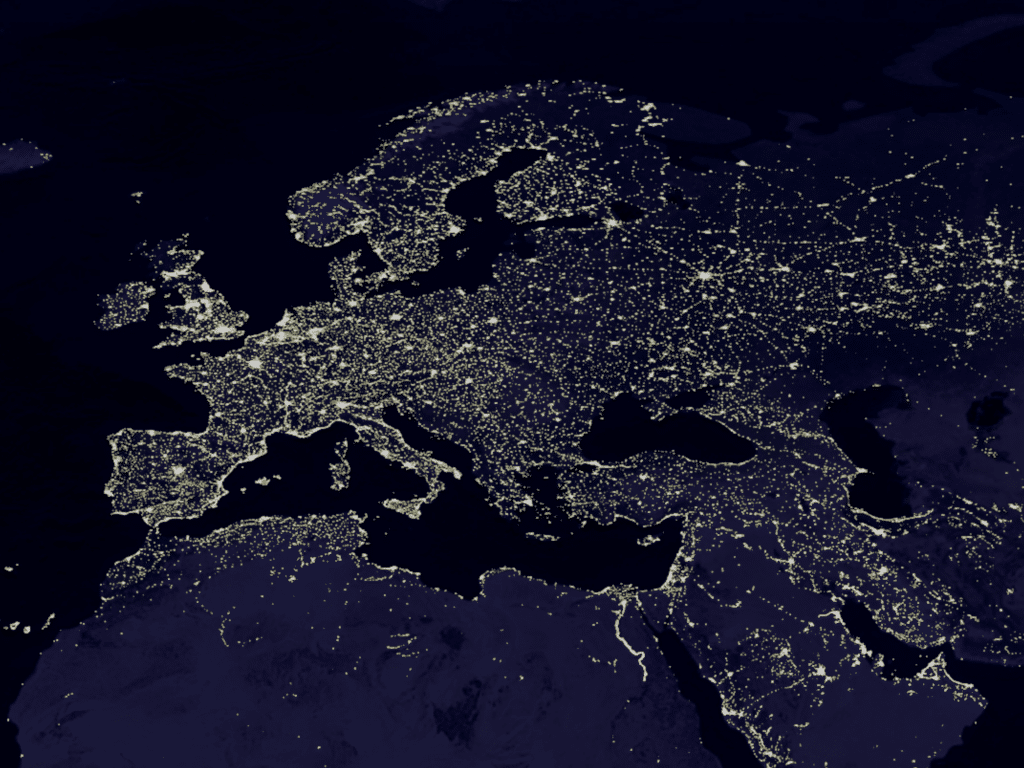
In light of the current situation Sberbank has taken the decision to withdraw from the European market.
Source: Sberbank
Check out Sberbank, Russia’s biggest bank, stock chart in London…
Was $15 a share on 16th Feb.
Opened today at $2.50.Now worth one and a half cents, basically worthless.
Although someone brave piled in and bought for $1 after their breakfast. pic.twitter.com/rpAoFRvjSw
— Faisal Islam (@faisalislam) March 2, 2022

NEWSLETTER SIGN UP
And receive exclusive articles on securities markets

🏆 The 2026 Global Markets Choice Awards are here! 🌍 Nominations are officially OPEN for the celebration of excellence in global capital markets trading & technology. Nominate below:
https://www.jotform.com/form/260086385121150

Delaware Life Insurance Company is becoming the first insurance carrier to offer an index that contains cryptocurrency, adding the BlackRock U.S. Equity Bitcoin Balanced Risk 12% Index to its fixed index annuity (FIA) portfolio.
As the digital assets industry pushes toward
Franklin Templeton is expanding its tokenized fund suite, signaling growing institutional demand for blockchain-based fund infrastructure and regulated investment products moving onchain. Read the full article below:
$50 billion in active ETF inflows helped fuel a record year for @BlackRock 's iShares business, as investors continue to lean into active strategies.
Related articles
-

Institutions want multi-chain optionality to move wholesale money across both web3 and tradfi ecosystems.
-

The use of stablecoins is attracting growing attention as a means of advancing payments through blockchain.
-

The remaining regulatory processes to complete the offer are expected around year end.
-
Fixed income is the largest asset class in global finance.
-

The launch marks a global first for the bank & the first offering of its kind by an international bank in UAE.